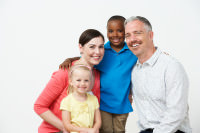
 A family with biological children and adopted children faces a unique set of challenges. Do parents acknowledge the differences in the children and how they came into the family? How do they ensure that all of the children’s individual needs are being met? How do parents explain the reason for having both biological and adopted children? On Babble.com, one mother explained it best, “It’s not that I didn’t think my family was complete with my three boys, I knew that we had room for one more.”
Fortunately, there are resources available to help support these families. Have a family meeting prior the adopted child coming into the home.
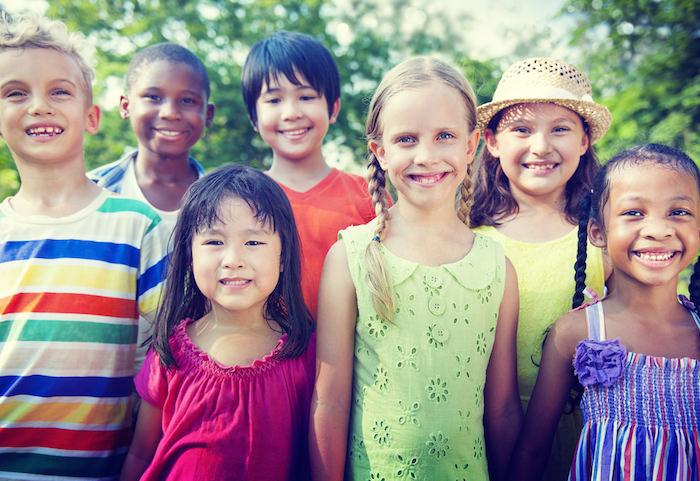
Give kids a chance to ask questions to the social worker. Most importantly, make sure that they know that a new child is an addition to the family, not a replacement or supplement because they don’t fulfill the parents.
The same article also recommends keeping any special treatment of the adopted child to a minimum. They will likely have different needs, especially if they are adopted past infanthood, but maintaining the same rules and boundaries for all children is important. Chores, homework and bedtimes all should be treated equally for the kids.
This helps ensure that the biological children don’t feel singled out or punished by having to adhere to guidelines from which the adopted children are exempt. This will also help the adopted children to feel included in the routine of the family.
So what about the differences that you can’t alleviate by treating the children as equals? In NY Mag, adoptive and biological mother MaryBeth Cassidy takes a “celebratory attitude” towards her children’s’ differences. Her biological children are even jealous of their adopted siblings’ origins “She remembers driving around when the oldest five were little: “Jake would go, ‘I’m from Siberia, it’s really cold there!’ And Tisa would go, ‘I’m from the Philippines, it’s really hot there!’ And Bligh would say, ‘Did I come on an airplane?’ And I’d say, ‘No, no, you came in my belly,’ and he’d go, ‘Ohhh’—like, that’s really boring.””
 Another great piece of advice from the same article is to recognize that biological children will naturally act out towards the adopted children- and to not ignore it. “Ideally, parents should act as a lightning rod… rather than letting their kids simply take these emotions out on new adoptees.” Parents made this decision to add to their family, so they should be the recipients of any animosity from the biological children.
The basis of all of the advice is honesty and fairness with both the biological and adopted children. This foundation will help create a blended family that becomes cohesive over time and ready to face any troubles together.
Adoption & Beyond can help you build your blended family. Learn more about how to adopt a baby in Missouri or Kansas.